
Frequency Specific Microcurrent (FSM)
Frequency Specific Microcurrent (FSM) is a therapy used within some functional health and integrative care settings. It involves the application of low-level electrical currents that are intended to support cellular processes and are commonly used in approaches focused on tissue health, inflammation, and functional concerns.
FSM may be provided as a standalone service or incorporated into broader functional medicine treatment plans, depending on an individual’s needs and care goals.
This service is offered by Dr. Deborah Berg.
How Frequency Specific Microcurrent (FSM) Works
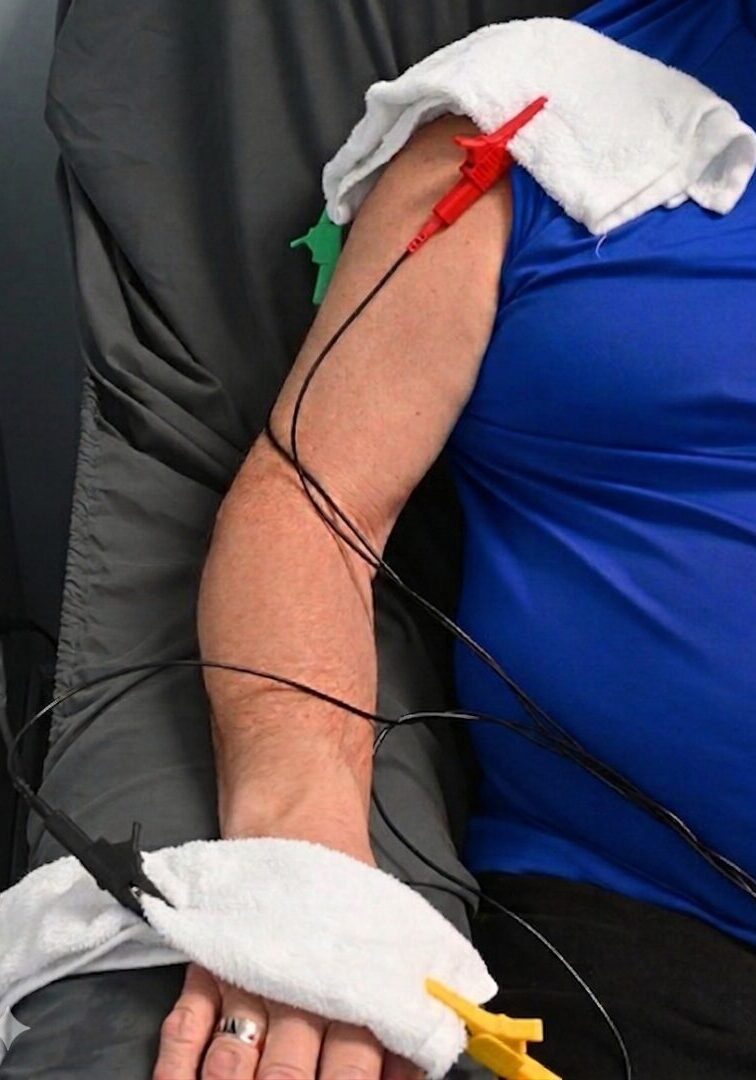
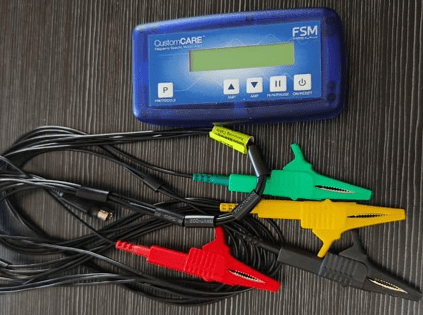
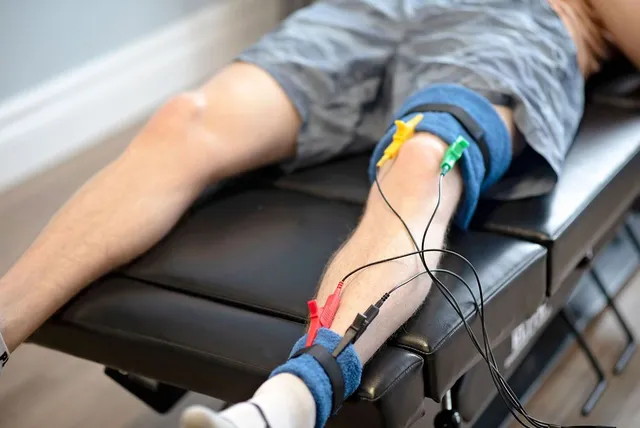
Frequency Specific Microcurrent (FSM) uses extremely low-level electrical currents measured in microamperes (one millionth of an ampere). These gentle currents are applied to specific areas of the body and are intended to support normal tissue function rather than simply block pain signals.
Depending on an individual's symptoms and treatment goals, FSM may be directed toward tissues such as nerves, fascia, muscles, tendons, and other structures throughout the body.
Potential Areas of Support
Cellular Energy and Recovery
Some research shows that microcurrent therapy may support the body's natural production of ATP (adenosine triphosphate), which cells use as their primary energy source. Healthy ATP production plays an important role in normal tissue maintenance, repair, and recovery processes.
Inflammatory Response
FSM may influence the body's inflammatory response by supporting a healthy balance between pro-inflammatory and anti-inflammatory processes. Rather than focusing solely on symptom relief, this approach is intended to support the body's natural healing mechanisms.
Fascial Mobility and Tissue Flexibility
Injuries, surgeries, and long-standing inflammation can contribute to scar tissue formation and restrictions within the fascia, which is the connective tissue that surrounds muscles and organs. FSM may help improve tissue mobility and flexibility, which can support more comfortable movement and function.
Nervous System and Pain Processing
Persistent pain can sometimes be associated with heightened sensitivity within the nervous system. FSM may help support healthy nerve function and pain-processing mechanisms, potentially contributing to greater comfort and improved function over time.
What Conditions Can We Support?
Chronic & Musculoskeletal Pain
- Neck and back pain
- Shoulder, hip, and knee injuries
- Plantar fasciitis
- Tendinitis/Tendinosis
- Myofascial pain
- Osteoarthritis
Neurological & Nervous System
- Sciatica and neuropathy
- Post-concussion syndrome
- Neuralgia and nerve pain
- Tinnitus
- Migraine and headache
Hormonal & Adrenal
- Adrenal fatigue
- Hormonal dysregulation
- Thyroid support
- PMS and menstrual pain
- Chronic stress physiology
Gut & Organ Health
- IBS and gut inflammation
- Liver and kidney support
- Visceral adhesions
- Chronic digestive dysfunction
- Organ-targeted frequency protocols
Athletic Recovery & Performance
- Acute injury management
- Muscle recovery acceleration
- Performance optimization
- Overtraining/burn-out recovery
Post-Surgical Recovery
- Post-operative tissue healing
- Surgical scar tissue
- Adhesion breakdown
- Nerve recovery
- Accelerated rehabilitation
When traditional treatment approaches have not provided the progress patients are seeking, FSM may offer another option to explore. Rather than focusing solely on symptom management, FSM is designed to work alongside the body's natural bio-electric processes. Many patients describe it as an important part of their path toward improved comfort, function, and well-being.
What to Expect During a Session?
FSM is a gentle, non-invasive therapy that many patients find comfortable and relaxing. The microcurrent used during treatment is below the level that can be felt, so most individuals do not notice the current itself. Some patients report sensations such as warmth, mild tingling, or a subtle pulsing feeling during their session, while others feel very little sensation at all.
Treatment times vary depending on individual needs and the goals of care. Sessions are designed to fit easily into your day, with no recovery period required afterward.
Before and After Your Treatment
Medical Devices
Please notify our team beforehand of any electronic medical devices you have, such as a pacemaker or Dexcom.
Hydration
For best results, being hydrated is important. Please drink 1-2 glasses of water before the treatment. Stay hydrated after your session as well.
Please Note
Individual responses to treatment may vary, and research into its mechanisms, as well as clinical applications is current and ongoing.